
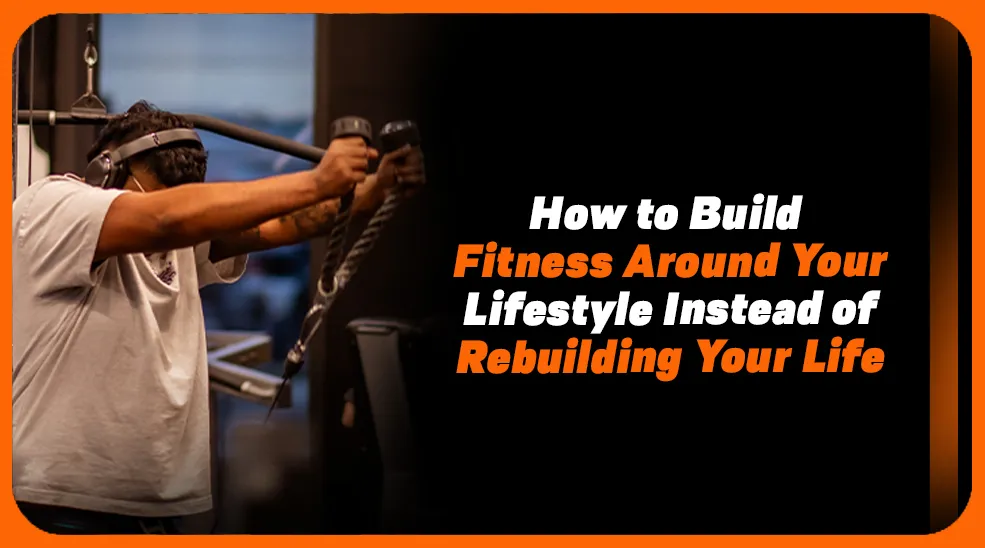
A lot of people start a fitness journey thinking they have to fully overhaul their lifestyle first, just so they can see results. They jump into strict training schedules , hard calorie goals, and very rigid routines that feel kind of impossible to keep up with work, family, and all the everyday obligations. Sure, this can bring quick motivation, but usually it turns into burnout, plus the whole plan starts getting inconsistent.
Sustainable fitness works in a different, more quiet way. Instead of rebuilding your whole life around workouts, the aim is to weave fitness into what you already do. If your routine can slot in naturally through your day, sticking with it gets easier, and the long game results get way more realistic.
One of the biggest problems people run into is going all in, like try to change everything at once. They jump from small activity to highly demanding schedules that are hard to keep up with. At first it can feel energizing, even kind of promising but then real life catches you, pretty fast.
Work commitments, social responsibilities and random changes in your day can make strict routines feel kinda too much, too often. And once the plan gets a little off track, workouts get skipped, then your motivation starts sliding… not dramatically at first, just quietly.
That’s why flexible and realistic fitness systems usually do better. Rather than forcing your whole life to match a workout plan, the routine should bend with your real daily rhythm, your actual day-to-day schedule.
Fitness progress comes from doing things again and again over time, not from one perfect week. Most people seem to think they need long workouts every day to actually succeed, but it turns out consistency really matters way more than intensity.
Even shorter training sessions can still give strong results when you keep showing up, regularly. The main part is building a rhythm you can stick with, both when life is hectic and when things are calmer.
For example, activities like yoga in Clyde North sessions can help bring a kind of balance back into your routine, by boosting flexibility, mobility and recovery, without piling on extra pressure or unnecessary stress. Your fitness becomes a lot more sustainable when it supports your day to day life, instead of wrestling with it.
A fitness routine that works should feel practical , like actually doable. Before you pick workout times or decide on training methods, it helps to think about your daily habits, work hours, and overall energy levels.
Some folks do better with early morning workouts , while others lean toward evening sessions after work. The “best” routine usually isn’t the one that looks perfect online , it’s the one you can keep going with in real life.
Also, flexibility matters. If your schedule changes a lot, your approach to training should make space for small adjustments instead of turning plan switches into guilt. A routine that adapts to your lifestyle is usually more effective than one that feels constantly confining or overly tight.
Motivation naturally changes from day to day. Some days you feel energised, while other days it becomes difficult to even think about training. This is why successful fitness journeys rely on systems and support rather than motivation alone.
Working with a personal trainer clyde north residents trust can help create accountability and structure. Professional guidance can simplify the process by building a realistic plan based on your goals and schedule.
Support systems reduce decision-making and help maintain consistency during stressful or busy periods. Over time, these systems become habits that require less mental effort to maintain.
Fitness is not only about workouts. Recovery is just as key, because it helps your body and mind kind of recharge, and yeah it’s not optional if you want to keep going. When recovery gets ignored, it often turns into fatigue, lower performance, and that flat, no motivation kind of feeling.
There are some straightforward recovery approaches like getting proper sleep , staying hydrated, doing stretching, and managing stress. Even adding quieter wellness choices can help too, some people go for sauna in Clyde North facilities as a way to unwind and support muscle recovery after training. It’s a simple routine adjustment, but it can add up.
Once recovery actually becomes part of what you do day to day, your workouts start to feel more doable and sustainable, not only for now but over the long run.
A healthy fitness routine should help your overall lifestyle , not take over it. The aim is not to erase flexibility or the little bits of enjoyment in your day , but to build habits that support your physical and emotional wellbeing, without forcing everything under unnecessary pressure.
That’s why a lot of people are drifting toward more balanced ways of training. With personal training programs in Clyde North, the structured coaching typically leans into creating routines that you can actually stick with , rather than chasing short-term extremes or quick fixes.
When fitness slots naturally into your schedule , it’s way easier to keep going across the changing seasons of life. Instead of constantly restarting whenever something interrupts , you just keep moving forward , steady progress, no big resets.
Honestly the best fitness journeys are not usually made from extreme routines, or some quick-lived spark that fades. They tend to be built on habits that slide into real life, even when your calendar is chaotic, and you have no time. If you set up flexible routines, keep showing up consistently, and prioritising recovery, then fitness becomes sustainable, not this constant stressy thing.
So, instead of rebuilding your whole life solely around exercise, start by stitching fitness into the life you already have. Small adjustments, repeated over time, can create actual long-range results.
When your routine fits with your lifestyle, fitness stops feeling like an obligation, and starts acting more like a normal part of your everyday flow.


