
A challenging workout can leave you feeling accomplished, but what happens after you leave the gym matters just as much as the time you spend training. Whether you are lifting weights, taking a fitness class or working towards better endurance, your body needs time and the right conditions to recover.
Muscle recovery is not simply about taking a day off. It involves repairing muscle tissue, replenishing energy, staying hydrated and managing training intensity. Understanding these basics can help you make steady progress without feeling constantly exhausted.
1. What Happens to Your Muscles After a Workout?
During exercise, your muscles experience physical stress. Resistance training, in particular, makes some adaptations within muscle tissue which lead the body to make repairs and adjustments. In the long run, this process will help you gain strength and increase performance.
In addition to that, DOMS, which happens after several hours from the time new exercises start, might also happen. The duration of DOMS ranges between one and two days; nevertheless, it is not an indicator of workout success.
Recovery helps the body to adapt to the training. Lack of recovery can cause fatigue, decrease performance and make it harder for you to stick to your routine.
2. Sleep: When Your Body Gets a Chance to Recover
Sleep is one of the key factors of recovery which is often underestimated. During sleep, your body supports tissue repair, regulates important hormones and restores energy for the next day.
Most adults should aim for around seven to nine hours of sleep each night, although individual needs can vary. A consistent sleep schedule, a comfortable bedroom and limiting late-night screen use may help improve sleep quality.
If you work out regularly but find yourself feeling constantly fatigued, look at your sleep patterns before spending money on costly recovery products. Sleep will be able to help both with physical performance and daily fatigue.
3. Nutrition and Protein Provide for Muscle Repair
Your body requires sufficient nutrition to recover from exercise. Protein gives the body the necessary amino acids for repair and building of muscle tissue.
You do not necessarily need protein powder to recover well. Foods that we consume on a regular basis, like eggs, yogurt, milk, fish, chicken, lentils, beans and tofu, may contain valuable proteins. When combined with carbohydrates, which include rice, oats, potatoes, fruits and whole grains, they aid the recovery process.
Rather than depending only on a post-workout snack, it will be wise to have a proper balance throughout the day through having meals. Nutrition becomes much more important compared to just post-workout timings. Supplementation is an easy choice, but this cannot be a replacement for nutrition.
4. Hydration and Active Recovery Help
Water regulates body temperature and helps muscles work properly. Because exercise causes fluid loss through sweating, drinking water throughout the day and around your workout is important. Your needs will depend on exercise intensity, weather and how much you sweat.
Recovery also does not always mean remaining completely inactive. Gentle walking, easy cycling, mobility exercises or light stretching can help you stay comfortable between demanding sessions. These activities should feel manageable rather than like another hard workout.
For more guidance, read our blog on drinking water during a workout. It explains why hydration matters while exercising.
5. Rest Day Planning and Training at Proper Intensity
Training hard every day does not always guarantee better results. The muscles require enough time in between intense training, particularly where the same muscle group is continuously trained.
For many people, allowing roughly 48 hours before another hard session targeting the same muscles is a useful starting point. However, the right interval depends on your training experience, workload, sleep, nutrition and how well you recover.
Pay attention to signs such as persistent fatigue, declining performance, unusual soreness and difficulty completing your usual workouts. Consider reducing your training intensity or taking additional rest when needed.
A balanced routine can include strength training, cardio and lower-intensity movement across the week. At a gym in Clyde North, choosing a manageable schedule and progressing gradually can make it easier to stay consistent over the long term.
6. Do You Need Special Recovery Treatments?
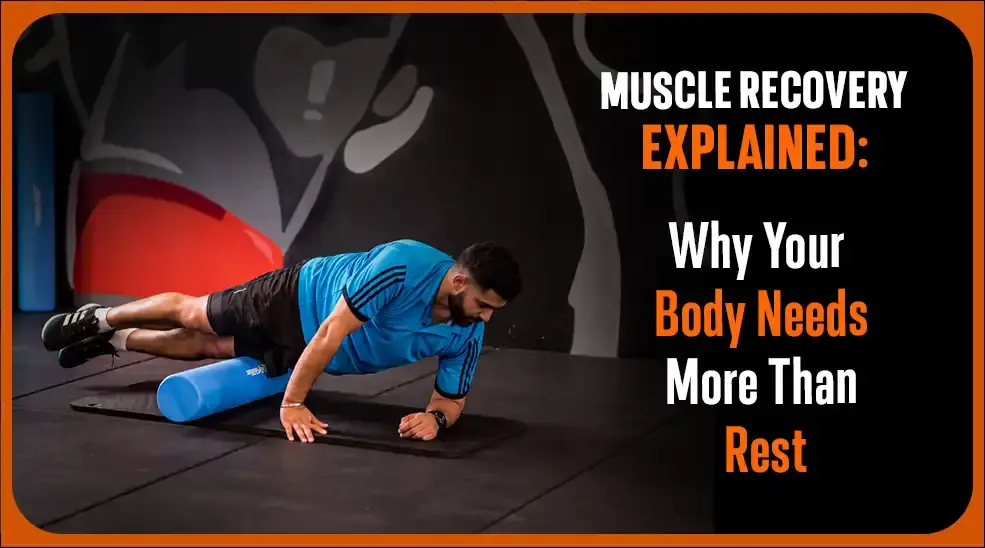
Massage, foam rolling and other recovery methods may help some people feel less stiff or manage soreness. However, they are optional additions, not substitutes for sleep, nutrition, hydration and sensible training.
Sauna sessions may feel relaxing, but sweating more does not mean your muscles are recovering faster. If you use a sauna after exercise, rehydrate appropriately and avoid prolonged heat exposure if you feel dizzy, unwell or dehydrated.
At Kahma 24/7 Clyde, you can explore group fitness classes and membership options to find a routine that fits your goals and schedule. The key is to balance challenging workouts with recovery that allows you to return feeling ready to train.
Remember, severe pain, significant swelling or symptoms that persist or worsen should not be dismissed as ordinary soreness. Consult a healthcare expert when necessary.
Muscle recovery is an active process that helps in becoming fitter and is not just a waste of time. Sleep well, eat healthy food, hydrate yourself properly, and have appropriate rest after strenuous sessions. You can incorporate some movements if you feel like it and use recovery equipment if required. This will help you train consistently and make your body adapt itself to training.


